
UNITED STATES
SECURITIES AND EXCHANGE COMMISSION
WASHINGTON, D.C. 20549
FORM
CURRENT REPORT
Pursuant to Section 13 or 15(d)
of the Securities Exchange Act of 1934
Date of report (Date of earliest event reported):
(Exact Name of Registrant as Specified in its Charter)
| (State or Other Jurisdiction of Incorporation) |
(Commission File Number) |
(IRS Employer Identification No.) |
| |
||
| (Address of Principal Executive Offices) | (Zip Code) |
Registrant’s telephone number, including area code:
Not applicable
(Former Name or Former Address, if Changed Since Last Report)
Check the appropriate box below if the Form 8-K filing is intended to simultaneously satisfy the filing obligation of the registrant under any of the following provisions:
| Written communications pursuant to Rule 425 under the Securities Act (17 CFR 230.425) |
| Soliciting material pursuant to Rule 14a-12 under the Exchange Act (17 CFR 240.14a-12) |
| Pre-commencement communications pursuant to Rule 14d-2(b) under the Exchange Act (17 CFR 240.14d-2(b)) |
| Pre-commencement communications pursuant to Rule 13e-4(c) under the Exchange Act (17 CFR 240.13e-4(c)) |
Securities registered pursuant to Section 12(b) of the Act:
| Title of each class |
Trading Symbol(s) |
Name of each exchange on which registered | ||
Indicate by check mark whether the registrant is an emerging growth company as defined in Rule 405 of the Securities Act of 1933 (§230.405 of this chapter) or Rule 12b-2 of the Securities Exchange Act of 1934 (§240.12b-2 of this chapter).
Emerging growth company
If an emerging growth company, indicate by check mark if the registrant has elected not to use the extended transition period for complying with any new or revised financial accounting standards provided pursuant to Section 13(a) of the Exchange Act.
| Item 8.01 | Other Events. |
On April 9, 2026, Invivyd, Inc. (the “Company”) issued a press release entitled “Invivyd Announces REVOLUTION Program Progress and Advancement of Novel, Potential First- and Best-in-Class Measles Monoclonal Antibody Candidate VMS063 for Treatment and Prevention of Measles.” A copy of the press release is filed as Exhibit 99.1 to this Current Report on Form 8-K and is incorporated by reference into this Item 8.01.
On April 9, 2026, the Company posted an updated corporate presentation on its website at www.invivyd.com. A copy of the presentation is filed as Exhibit 99.2 to this Current Report on Form 8-K and is incorporated by reference into this Item 8.01.
| Item 9.01 | Financial Statements and Exhibits. |
(d) Exhibits
| Exhibit |
Description | |
| 99.1 | Press Release, dated April 9, 2026 | |
| 99.2 | Corporate Presentation, dated April 9, 2026 | |
| 104 | Cover Page Interactive Data File (embedded within the Inline XBRL document) | |
SIGNATURES
Pursuant to the requirements of the Securities Exchange Act of 1934, as amended, the registrant has duly caused this report to be signed on its behalf by the undersigned hereunto duly authorized.
| INVIVYD, INC. | ||||||
| Date: April 9, 2026 | By: | /s/ Jill Andersen | ||||
| Jill Andersen | ||||||
| Chief Legal Officer and Corporate Secretary | ||||||
Exhibit 99.1

Invivyd Announces REVOLUTION Program Progress and Advancement of Novel, Potential First- and Best-in-Class Measles Monoclonal Antibody Candidate VMS063 for Treatment and Prevention of Measles
| • | Confirmed, pooled, blinded COVID-19 events in the ongoing Phase 3 DECLARATION study of VYD2311 accumulated to date (~ 50% of study progress) can already provide sufficient statistical power to support the high end of anticipated VYD2311 efficacy |
| • | Invivyd conducted a pre-specified sample size re-estimation analysis when 1,500 of 1,818 enrolled patients reached Day 45 of 90 total days (April 6th), designed to add robustness given future event rate variability; that upsizing was triggered and increases confidence in overall study statistical power |
| • | DECLARATION upsizing provides ~500 additional subjects and will likely shift study result timing modestly, by approximately two months, from original “mid-year” guidance to Q3 2026 |
| • | Invivyd and the U.S. FDA have aligned on an Initial Pediatric Study Plan for the BLA-directed pivotal pediatric immunobridging and safety “DRUMMER” clinical trial for VYD2311 |
| • | Invivyd today announced the discovery and advancement of VMS063, a novel, highly potent, broadly in vitro neutralizing, high resistance barrier, half-life-extended, potentially first- and best-in-class monoclonal antibody candidate for the treatment and prevention of measles |
| • | Invivyd has begun IND-enablement and regulatory outreach to support rapid VMS063 development; goal is expedited development with target IND readiness in late 2026 |
| • | Management to host conference call this morning, April 9th, at 8:30AM ET |
NEW HAVEN, Conn., April 09, 2026 (GLOBE NEWSWIRE) – Invivyd, Inc. (Nasdaq: IVVD) today announced progress in its REVOLUTION clinical program for VYD2311, a novel monoclonal antibody investigational candidate for the prevention of symptomatic COVID-19. Invivyd also announced today the discovery and advancement of a novel, potentially first- and best-in-class measles monoclonal antibody candidate for treatment and prevention of measles discovered using Invivyd’s proprietary technology.
DECLARATION Study Update and New “DRUMMER” Study
The DECLARATION Phase 3 pivotal study is Invivyd’s Biologics License Application (BLA)-directed clinical trial assessing the safety and efficacy of single and multi-dose VYD2311 for the pre-exposure prophylaxis of COVID-19 compared to placebo over 90 days. The study includes a prospectively designed, conservative, algorithmic sample size re-estimation pooled, blinded analysis aimed at ensuring adequate COVID-19 clinical events and associated statistical power given the variability of COVID-19 attack rates in community. As of the sample-size re-estimation analysis, conducted when the first 1,500 (of 1,818 total) subjects reached Day 45 (April 6th), clinical events already accrued to date can support statistical powering for the high end of anticipated VYD2311 efficacy levels with approximately half of the base DECLARATION study still to go. The sample size re-estimation algorithm was designed conservatively with the aim of accomplishing strong statistical power to accommodate a range of potential VYD2311 efficacy results and COVID events in the trial, and upsizing was triggered.
DECLARATION study upsizing includes approximately 500 additional subjects, in addition to 1,818 total randomized subjects in the initial population. Depending on recruitment rates, top-line results are now expected to shift from “mid-year” 2026 (defined as either 2nd or 3rd quarter), to in the third quarter of 2026. Invivyd will provide more detailed timing guidance as recruitment proceeds. The upsizing, combined with event accumulation to date, provides strong additional confidence and projected statistical support for a wider range of observed VYD2311 efficacy levels.
Invivyd has also aligned with the U.S. Food and Drug Administration (FDA) on an initial Pediatric Study Plan for an efficient safety and immunobridging study to support potential BLA for VYD2311 in children aged 0-11 years. The “DRUMMER” study will be actioned only if the pivotal DECLARATION study is successful. Invivyd will provide more detailed guidance on DRUMMER study design and timing when appropriate.
“We are thrilled with our progress in the DECLARATION study. Pooled, blinded COVID-19 event accumulation is already robust, and our conservative upsizing algorithm means that we can move to higher confidence in statistical power with very modest additional time. This re-sizing was designed prospectively with our rapid recruitment speed in mind and our desire for the most robust potential dataset. We have an extraordinary, high-value opportunity to change infectious disease medicine near-term,” noted Marc Elia, Chairman of the Invivyd Board of Directors. “We are pleased to add more confidence to our efforts to cement long-term change in COVID-19 prevention by making the multi-billion dollar category of repeat mRNA COVID vaccine boosts a second-line option, if indeed these vaccines remain on the market at all going forward. We continue to make great progress in the REVOLUTION program with the U.S. FDA, including aligning on a rapid pathway to pediatrics. This pathway, combined with our measles and previous RSV discoveries, should indicate that we are building on our work in COVID to create a fully integrated multi-virus platform company capable of rapidly generating high value medicines that have immediate utility in American infectious disease.”
Novel Measles Antibody VMS063
Invivyd today also announced the discovery and advancement of a novel, highly potent, half-life-extended, high resistance barrier measles monoclonal antibody candidate, VMS063. VMS063 targets the measles Fusion (F) protein and is designed to lock the trimeric measles Fusion protein into a pre-fusion configuration, thereby preventing cell entry, similar to approved pediatric respiratory syncytial virus (RSV) monoclonal antibodies. VMS063 could be the first precision therapy for measles, as well as a potentially important passive prophylaxis option to supplement or enhance measles vaccination for certain populations at increased risk of symptomatic disease.
VMS063 demonstrates highly potent in vitro neutralization of measles virus in gold-standard assays including in pseudovirus assays (high picogram / milliliter IC50s) and authentic measles virus assays (low single digit nanogram / milliliter IC50s) across relevant measles lineages such as currently circulating B3, D8, and ancestral Edmonston lineages, as well as against multiple polymorph variants derived from current clinical sequencing. The epitope targeted by VMS063 on the measles F protein is conserved across all described measles variants in global circulation across the past ~50 years. VMS063 is half-life extended to support the best possible prophylactic and therapeutic profile following a single dose, and exhibits excellent biophysical characteristics associated with high developability, stability, and manufacturing yields. Invivyd has moved VMS063 towards IND-enabling studies and manufacturing for near-term clinical development.
The United States is facing a critical measles virus inflection point in 2026, with measles incidence reaching levels not seen in decades. In 2025, outbreaks spanned more than thirty states and the first measles deaths in a decade were reported on U.S. soil. As of March 2026, U.S. disease burden in 2026 is on track to exceed 2025. As pediatric and community vaccination rates dip below the thresholds required for herd immunity, a significant “immunity gap” has emerged. More than nine million school-age children are estimated to be unprotected against measles in the U.S. today along with many millions more adults who are immune compromised. More, as one of the most infectious viruses known to exist, and as a virus uniquely capable of destroying human immunologic memory, measles has the potential to impose a substantial burden on the healthcare system as infection spreads.
“There is no authorized or approved treatment for symptomatic measles, which, while often self-limiting, carries meaningful probability of serious complications including encephalitis and other inflammatory acute manifestations of disease, up to and including death.” said Michael Mina, M.D., Ph.D., Chief Medical Officer of Invivyd. “The measles vaccine is among the greatest achievements in the history of public health and remains the cornerstone of measles prevention. But vaccines have limits, and for too long, clinicians have lacked an adequate option for a range of patients left vulnerable, including infants too young for vaccination, pregnant women, and immunocompromised persons. These populations represent millions of Americans facing a rapidly resurging virus with nothing between them and infection. This is the gap we are proudly working to fill.”
The potential therapeutic and prophylactic applications of VMS063 include the following unmet needs and major medical use cases:
| 1) | Treatment of symptomatic measles, with the aim of shortening duration of symptoms and reducing severe complications such as encephalitis or opportunistic infections subsequent to measles’ post-acute “immune amnesia.” |
| 2) | Pre- and post-exposure passive prophylaxis to prevent or respond to outbreaks, and to provide a more physiologic, targeted alternative to the measles vaccine, with the aim of re-establishing functional eradication without requiring additional vaccination or vaccination of vaccine-hesitant populations. |
| 3) | Early childhood passive prophylaxis (akin to RSV) to cover the pre-vaccine pediatric risk window and bridge infants to safe, optimal vaccination. Such strategy can include the aim of improving measles vaccination by safely delaying vaccination to enable greater early childhood immunologic and neurocognitive development prior to vaccination. |
Invivyd plans to provide further discovery updates on additional pathogens that may offer similar opportunities for advancing standard of care via monoclonal antibody later in 2026.
Conference Call & Webcast
Listeners can register for the webcast via this link. Analysts wishing to participate in the question-and-answer session should use this link. A replay of the webcast will be available via the company’s investor website approximately two hours after the call’s conclusion. Those who plan on participating are advised to join 15 minutes prior to the start time.
About VYD2311
VYD2311 is a novel monoclonal antibody (mAb) candidate being developed for COVID-19 to continue to address the urgent need for new prophylactic and therapeutic options. The pharmacokinetic profile and antiviral potency of VYD2311 may offer the ability to deliver clinically meaningful titer levels through more patient-friendly means such as an intramuscular route of administration.
VYD2311 was engineered using Invivyd’s proprietary integrated technology platform and is the product of serial molecular evolution designed to generate an antibody optimized for neutralizing contemporary virus lineages. VYD2311 leverages the same antibody backbone as pemivibart, Invivyd’s investigational mAb granted emergency use authorization in the U.S. for the pre-exposure prophylaxis (PrEP) of symptomatic COVID-19 in certain immunocompromised patients, and adintrevimab, Invivyd’s investigational mAb that has a robust safety data package and demonstrated clinically meaningful results in global Phase 2/3 clinical trials for the prevention and treatment of COVID-19.
About DECLARATION
DECLARATION (NCT07298434) is a Phase 3, randomized, triple-blind, placebo-controlled trial to evaluate VYD2311 efficacy and safety in prevention of symptomatic COVID in a broad population of participants including adults and adolescents both with and without risk factors for progression to severe COVID-19, at three months. Participants will receive either a single dose or a monthly dose of VYD2311, each administered via intramuscular (IM) injection, compared to placebo. Total enrollment of the trial is expected to be 1770 participants.
About VMS063
VMS063 is a monoclonal antibody candidate engineered via Invivyd’s proprietary antibody discovery platform to target a highly conserved protein of a measles virus. The antibody has shown sub-nanomolar potencies across all variants tested in vitro to date.
About Invivyd
Invivyd, Inc. (Nasdaq: IVVD) is a biopharmaceutical company devoted to delivering protection from serious viral infectious diseases, beginning with SARS-CoV-2. Invivyd deploys a proprietary integrated technology platform unique in the industry designed to assess, monitor, develop, and adapt to create best in class antibodies. In March 2024, Invivyd received emergency use authorization (EUA) from the U.S. FDA for a monoclonal antibody (mAb) in its pipeline of innovative antibody candidates. Visit https://invivyd.com/ to learn more.
Trademarks are the property of their respective owners.
Cautionary Note Regarding Forward-Looking Statements
This press release contains forward-looking statements within the meaning of the Private Securities Litigation Reform Act of 1995. Words such as “anticipates,” “believes,” “could,” “expects,” “estimates,” “intends,” “plans,” “potential,” “predicts,” “projects,” “future,” and “target” or similar expressions (as well as other words or expressions referencing future events, conditions or circumstances) are intended to identify forward-looking statements. Forward-looking statements include statements concerning, among other things, plans related to the company’s research and development activities, and the timing and potential results thereof; expectations regarding the company’s clinical trial designs, enrollment, event accumulation and progress, regulatory pathway, product profile, indication, patient populations, and administration paradigm for VYD2311, including the company’s REVOLUTION clinical program and the timing of results related thereto; the potential of VYD2311 as a novel mAb candidate for the prevention of COVID-19; the estimated market for COVID-19 vaccination; the company’s devotion to delivering protection from serious viral infectious diseases; the potential of VMS063 as a potential first- and best-in-class mAb candidate for treatment and prevention of measles; expectations regarding the measles landscape, including the potential burden of measles on the healthcare system, and beliefs about the potential therapeutic and prophylactic
applications of VMS063; the potential of Invivyd to create a fully integrated multi-virus platform company capable of rapidly generating high value medicines that have immediate utility in American infectious disease; the company’s expectations about potential pipeline expansion and future announcements related thereto; and other statements that are not historical fact. The company may not actually achieve the plans, intentions, or expectations disclosed in the company’s forward-looking statements and you should not place undue reliance on the company’s forward-looking statements. These forward-looking statements involve risks and uncertainties that could cause the company’s actual results to differ materially from the results described in or implied by the forward-looking statements, including, without limitation: the timing, progress, and results of the company’s discovery, preclinical, and clinical development activities, including with respect to VYD2311 and VMS063; whether or not any preclinical candidate identified by the company is determined to be suitable for clinical development; clinical trial site activation, enrollment, and event accumulation rates; the risk that results of nonclinical studies or clinical trials may not be predictive of future results, and interim data are subject to further analysis; the predictability of clinical success of the company’s product candidates based on neutralizing activity in nonclinical studies and the assessment of other in vitro properties; potential variability in neutralizing activity of product candidates tested in different assays, such as pseudovirus assays and authentic assays; unexpected safety or efficacy data observed during preclinical studies or clinical trials; variability of results in models and methods used to predict neutralizing activity; changes in the regulatory environment; the outcome of the company’s engagement with regulators; uncertainties related to the regulatory authorization or approval process, and available development and regulatory pathways; the company’s ability to generate the data needed to support a potential BLA submission for VYD2311; how long the EUA granted by the FDA for pemivibart will remain in effect and whether such EUA is revised or revoked by the FDA; the ability to maintain a continued acceptable safety, tolerability, and efficacy profile of any product candidate following regulatory authorization or approval; whether the epitopes that pemivibart and VYD2311 target remain structurally intact and the company’s product candidates are able to demonstrate and sustain neutralizing activity against major SARS-CoV-2 variants, particularly in the face of viral evolution; the risk that a lack of awareness of mAb therapies and regulatory scrutiny of mAb therapies to prevent or treat COVID-19 or other infectious diseases may adversely impact the development or commercial success of the company’s product candidates; changes in expected or existing competition; the company’s reliance on third parties; complexities of manufacturing mAb therapies; macroeconomic and political uncertainties; and whether the company has adequate funding to meet future operating expenses and capital expenditure requirements. Other factors that may cause the company’s actual results to differ materially from those expressed or implied in the forward-looking statements in this press release are described under the heading “Risk Factors” in the company’s Annual Report on Form 10-K for the year ended December 31, 2025, as filed with the Securities and Exchange Commission (SEC), and in the company’s other filings with the SEC, and in its future reports to be filed with the SEC and available at www.sec.gov. Forward-looking statements contained in this press release are made as of this date, and Invivyd undertakes no duty to update such information whether as a result of new information, future events or otherwise, except as required under applicable law.
This press release contains hyperlinks to information that is not deemed to be incorporated by reference in this press release.
Contacts:
Media Relations
(781) 208-0160
media@invivyd.com
Investor Relations
(781) 208-1747
investors@invivyd.com
Exhibit 99.2
REVOLUTION Program & Measles April 9, 2026 © 2026 Invivyd, Inc. All trademarks used in this presentation are the property of their respective owners.
CAUTIONARY NOTE REGARDING FORWARD-LOOKING STATEMENTS This presentation contains forward-looking statements within the meaning of the U.S. Private Securities Litigation Reform Act of 1995. Statements in this presentation that are not statements of historical fact are forward-looking statements. Words such as “may,” “will,” “should,” “expect,” “plan,” “anticipate,” “seek,” “could,” “intend,” “target,” “aim,” “project,” “designed to,” “estimate,” “believe,” “predict,” “potential,” or “continue” or the negative of these terms or other similar expressions are intended to identify forward-looking statements, though not all forward-looking statements contain these identifying words. Forward-looking statements include statements concerning, among other things, plans related to the company’s research and development activities, and the timing and potential results thereof; the potential of monoclonal antibodies (mAbs), including beliefs about the unique merits offered by antibody supplementation; the potential of VYD2311 as a novel mAb candidate for the prevention of COVID-19; expectations regarding the company’s clinical trial designs, enrollment, event accumulation and progress, regulatory pathway, product profile, indication, patient populations, and administration paradigm for VYD2311, including the company’s REVOLUTION clinical program and the timing of results related thereto; estimates regarding potential market size and opportunity; the ability of the company’s technology innovate ahead of virus evolution; the potential of pemivibart as a mAb for pre-exposure prophylaxis (PrEP) of COVID-19 in certain immunocompromised persons; the potential of VMS063 as a potential first- and best-in-class mAb candidate for treatment and prevention of measles; expectations regarding the measles landscape, including the potential burden of measles on the healthcare system, and beliefs about the potential therapeutic and prophylactic applications of VMS063; the company’s expectations about potential pipeline expansion; the company’s business strategies and objectives, and ability to execute on them; the company’s future prospects; and other statements that are not historical fact. The company may not actually achieve the plans, intentions, or expectations disclosed in the company’s forward-looking statements and you should not place undue reliance on the company’s forward-looking statements. These forward-looking statements involve risks and uncertainties that could cause the company’s actual results to differ materially from the results described in or implied by the forward-looking statements, including, without limitation: the timing, progress, and results of the company’s discovery, preclinical, and clinical development activities, including with respect to VYD2311 and VMS063; whether or not any preclinical candidate identified by the company is determined to be suitable for clinical development; clinical trial site activation, enrollment, and event accumulation rates; the risk that results of nonclinical studies or clinical trials may not be predictive of future results, and interim data are subject to further analysis; the predictability of clinical success of the company’s product candidates based on neutralizing activity in nonclinical studies and the assessment of other in vitro properties; potential variability in neutralizing activity of product candidates tested in different assays, such as pseudovirus assays and authentic assays; unexpected safety or efficacy data observed during preclinical studies or clinical trials; variability of results in models and methods used to predict neutralizing activity; changes in the regulatory environment; the outcome of the company’s engagement with regulators; uncertainties related to the regulatory authorization or approval process, and available development and regulatory pathways; the company’s ability to generate the data needed to support a potential Biologics License Application (BLA) submission for VYD2311; how long the EUA granted by the U.S. FDA for pemivibart will remain in effect and whether such EUA is revised or revoked by the U.S. FDA; the ability to maintain a continued acceptable safety, tolerability, and efficacy profile of any product candidate following regulatory authorization or approval; whether the epitopes that pemivibart and VYD2311 target remain structurally intact and the company’s product candidates are able to demonstrate and sustain neutralizing activity against major SARS-CoV-2 variants, particularly in the face of viral evolution; the risk that a lack of awareness of mAb therapies and regulatory scrutiny of mAb therapies to prevent or treat COVID-19 or other infectious diseases may adversely impact the development or commercial success of the company’s product candidates; changes in expected or existing competition; the company’s reliance on third parties; complexities of manufacturing mAb therapies; macroeconomic and political uncertainties; and whether the company has adequate funding to meet future operating expenses and capital expenditure requirements. Other factors that may cause the company’s actual results to differ materially from those expressed or implied in the forward-looking statements in this presentation are described under the heading “Risk Factors” in the company’s Annual Report on Form 10-K for the year ended December 31, 2025, as filed with the Securities and Exchange Commission (SEC), and in the company’s other filings with the SEC, and in its future reports to be filed with the SEC and available at www.sec.gov. Forward-looking statements contained in this presentation are made as of this date, and Invivyd undertakes no duty to such information whether as a result of new information, future events or otherwise, except as required under applicable law.This presentation contains hyperlinks to information that is not deemed to be incorporated by reference in this presentation. All trademarks used in this presentation are the property of their respective owners.
AGENDA 01 02 03 REVOLUTION Measles Q&A Program Updates Program Review
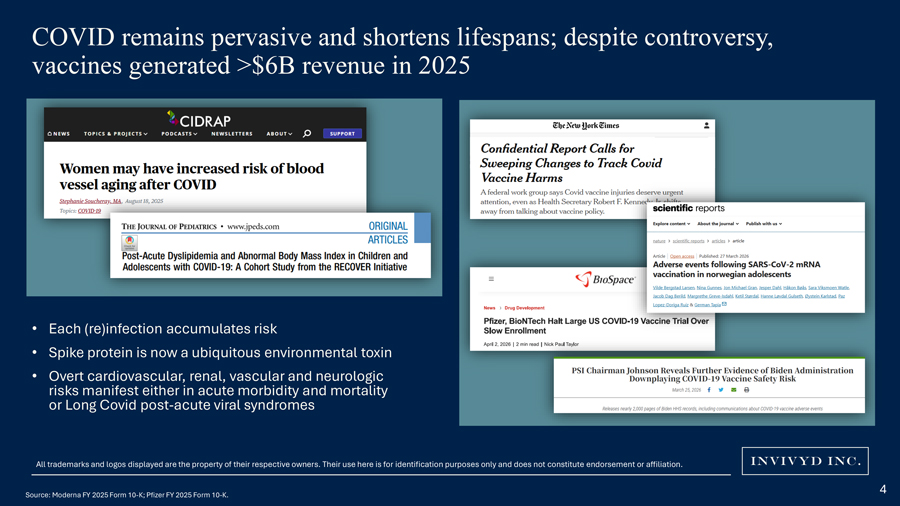
COVID remains pervasive and shortens lifespans; despite controversy, vaccines generated >$6B revenue in 2025 Each (re)infection accumulates risk Spike protein is now a ubiquitous environmental toxin Overt cardiovascular, renal, vascular and neurologic risks manifest either in acute morbidity and mortality or Long Covid post-acute viral syndromes COVID Vaccines >$6B in Revenue in 2026 All trademarks 147019-001 and logos displayed are the08Apr26 property of their 20:35 respective owners. Their Page us h re 13 is for identification purposes only and does not constitute endorsement or affiliation. Source: Moderna FY 2025 Form 10-K; Pfizer FY 2025 Form 10-K.
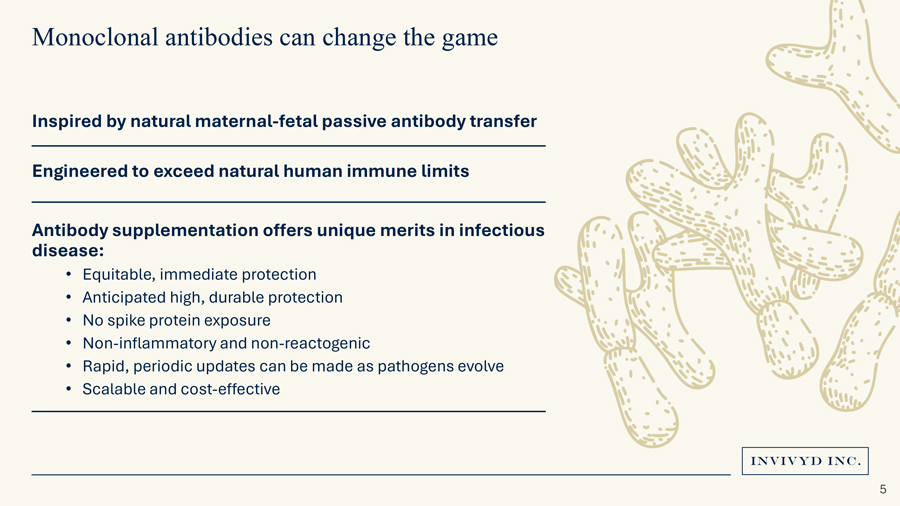
Monoclonal antibodies can change the game Inspired by natural maternal-fetal passive antibody transfer Engineered to exceed natural human immune limits Antibody supplementation offers unique merits in infectious disease: Equitable, immediate protection Anticipated high, durable protection No spike protein exposure Non-inflammatory and non-reactogenic Rapid, periodic updates can be made as pathogens evolve Scalable and cost-effective
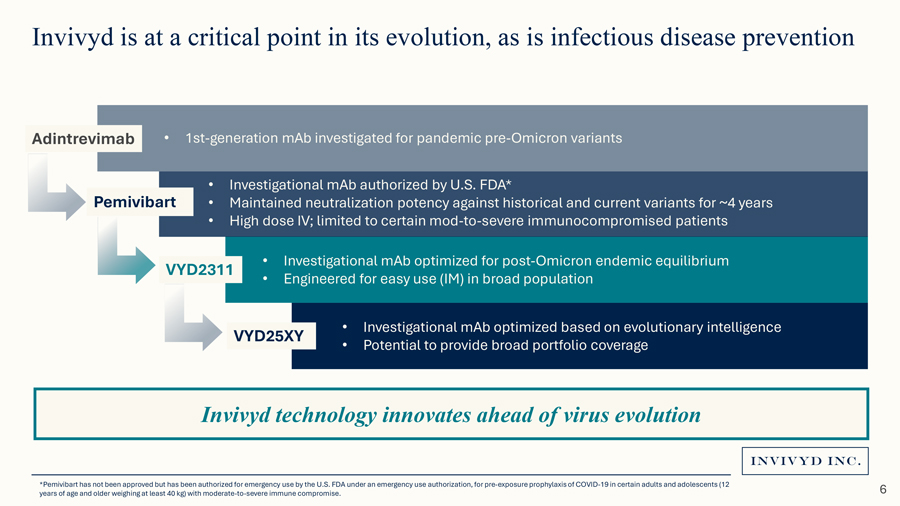
Invivyd is at a critical point in its evolution, as is infectious disease prevention Adintrevimab 1st-generation mAb investigated for pandemic pre-Omicron variants Investigational mAb authorized by U.S. FDA* Pemivibart Maintained neutralization potency against historical and current variants for ~4 years High dose IV; limited to certain mod-to-severe immunocompromised patients Investigational mAb optimized for post-Omicron endemic equilibrium VYD2311 Engineered for easy use (IM) in broad population Investigational mAb optimized based on evolutionary intelligence VYD25XY Potential to provide broad portfolio coverage Invivyd technology innovates ahead of virus evolution * Pemivibart has not been approved but has been authorized for emergency use by the U.S. FDA under an emergency use authorization, for pre-exposure prophylaxis of COVID-19 in certain adults and adolescents (12 years of age and older weighing at least 40 kg) with moderate-to-severe immune compromise.
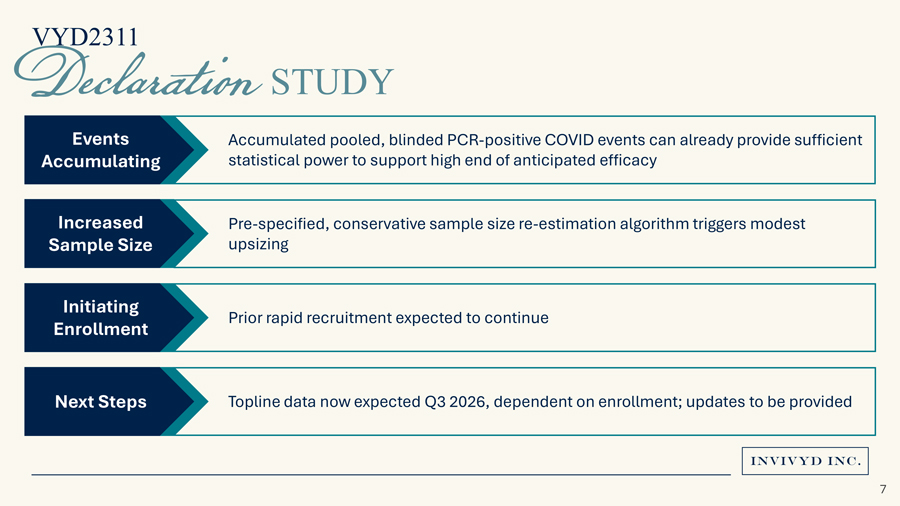
VYD2311 STUDY Increased Events Sample Accumulated pooled, blinded PCR-positive COVID events can already provide sufficient Accumulating Size statistical power to support high end of anticipated efficacy On-T Increased ck Event Pre-specified, conservative sample size re-estimation algorithm triggers modest Sample Rate Size upsizing Initiating Rapid Prior rapid recruitment expected to continue Enrollment Advancement Next Nex Steps t Topline data now expected Q3 2026, dependent on enrollment; updates to be provided
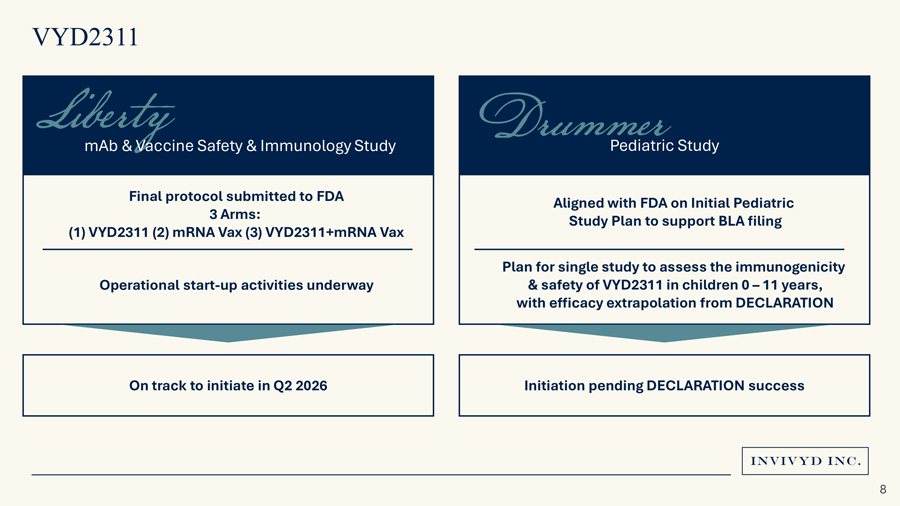
VYD2311 mAb & Vaccine Safety & Immunology Study Pediatric Study Final protocol submitted to FDA Aligned with FDA on Initial Pediatric 3 Arms: Study Plan to support BLA filing (1) VYD2311 (2) mRNA Vax (3) VYD2311+mRNA Vax Plan for single study to assess the immunogenicity Operational start-up activities underway & safety of VYD2311 in children 0 – 11 years, with efficacy extrapolation from DECLARATION On track to initiate in Q2 2026 Initiation pending DECLARATION success
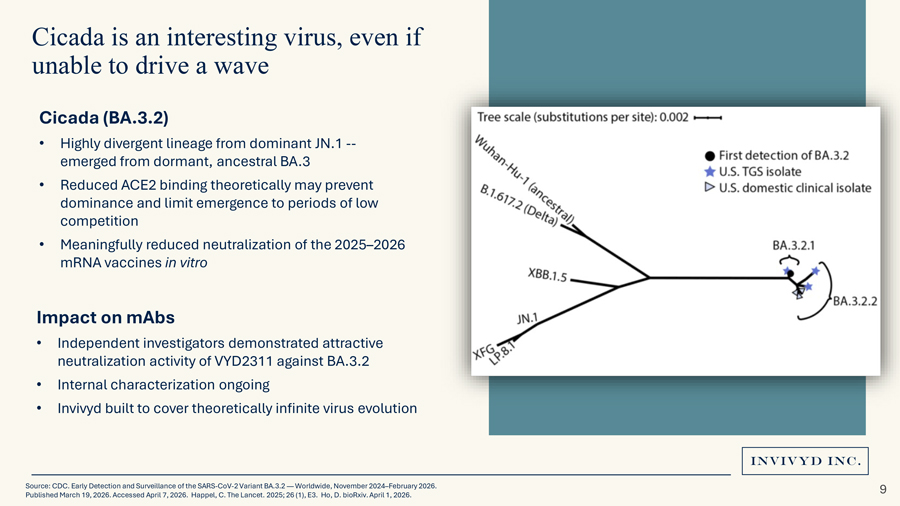
Cicada is an interesting virus, even if unable to drive a wave Cicada (BA.3.2) Highly divergent lineage from dominant JN.1 — emerged from dormant, ancestral BA.3 Reduced ACE2 binding theoretically may prevent dominance and limit emergence to periods of low competition Meaningfully reduced neutralization of the 2025–2026 mRNA vaccines in vitro Impact on mAbs Independent investigators demonstrated attractive neutralization activity of VYD2311 against BA.3.2 Internal characterization ongoing Invivyd built to cover theoretically infinite virus evolution Source: CDC. Early Detection and Surveillance of the SARS-CoV-2 Variant BA.3.2 — Worldwide, November 2024–February 2026. Published March 19, 2026. Accessed April 7, 2026. Happel, C. The Lancet. 2025; 26 (1), E3. Ho, D. bioRxiv. April 1, 2026.
MEASLES PROGRAM Development Epidemiology & Standard-of-Care Use Cases Next Steps Candidate: VMS063 Burden of Disease
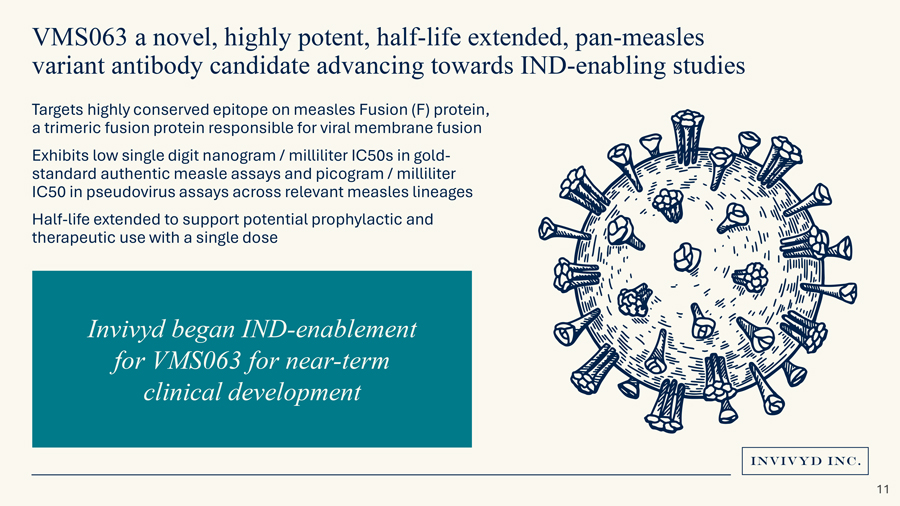
VMS063 a novel, highly potent, half-life extended, pan-measles variant antibody candidate advancing towards IND-enabling studies Targets highly conserved epitope on measles Fusion (F) protein, a trimeric fusion protein responsible for viral membrane fusion Exhibits low single digit nanogram / milliliter IC50s in gold-standard authentic measle assays and picogram / milliliter IC50 in pseudovirus assays across relevant measles lineages Half-life extended to support potential prophylactic and therapeutic use with a single dose Invivyd began IND-enablement for VMS063 for near-term clinical development
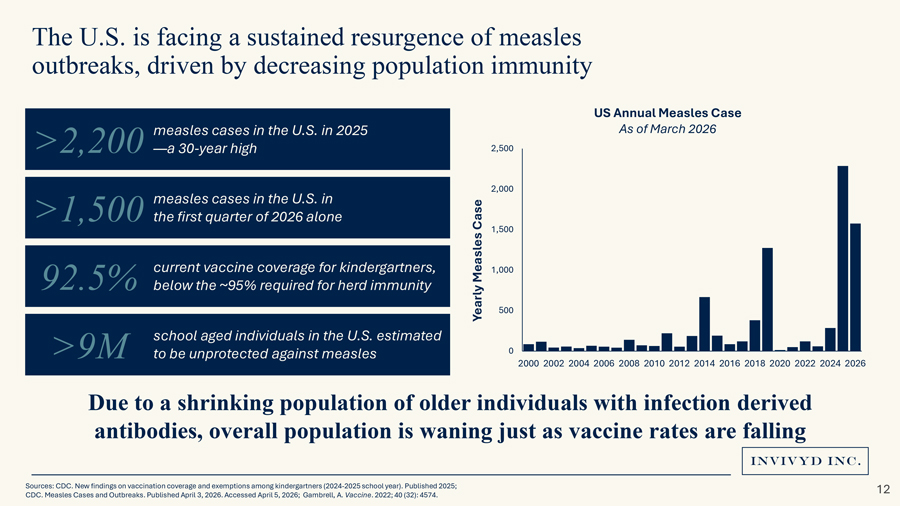
The U.S. is facing a sustained resurgence of measles outbreaks, driven by decreasing population immunity US Annual Measles Case measles cases in the U.S. in 2025 As of March 2026 >2,200 —a 30-year high 2,500 2,000 >1,500 measles cases in the U.S. in the first quarter of 2026 alone Case 1,500 current vaccine coverage for kindergartners, Measles 1,000 92.5% below the ~95% required for herd immunity Yearly 500 school aged individuals in the U.S. estimated >9M to be unprotected against measles 0 2000 2002 2004 2006 2008 2010 2012 2014 2016 2018 2020 2022 2024 2026 Due to a shrinking population of older individuals with infection derived antibodies, overall population is waning just as vaccine rates are falling Sources: CDC. New findings on vaccination coverage and exemptions among kindergartners (2024-2025 school year). Published 2025; CDC. Measles Cases and Outbreaks. Published April 3, 2026. Accessed April 5, 2026; Gambrell, A. Vaccine. 2022; 40 (32): 4574.
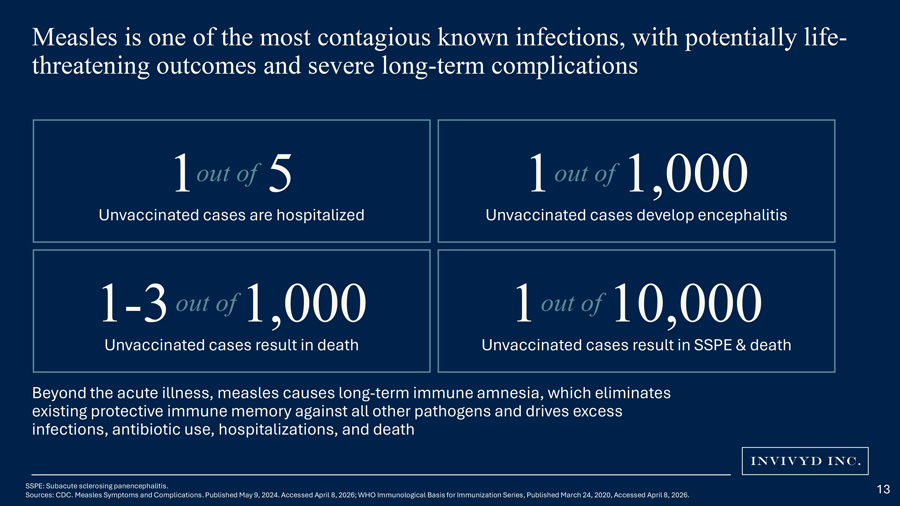
Measles is one of the most contagious known infections, with potentially life-threatening outcomes and severe long-term complications 1out of 5 1out of 1,000 Unvaccinated cases are hospitalized Unvaccinated cases develop encephalitis 1-3out of 1,000 1out of 10,000 Unvaccinated cases result in death Unvaccinated cases result in SSPE & death Beyond the acute illness, measles causes long-term immune amnesia, which eliminates existing protective immune memory against all other pathogens and drives excess infections, antibiotic use, hospitalizations, and death SSPE: Subacute sclerosing panencephalitis. Sources: CDC. Measles Symptoms and Complications. Published May 9, 2024. Accessed April 8, 2026; WHO Immunological Basis for Immunization Series, Published March 24, 2020, Accessed April 8, 2026.
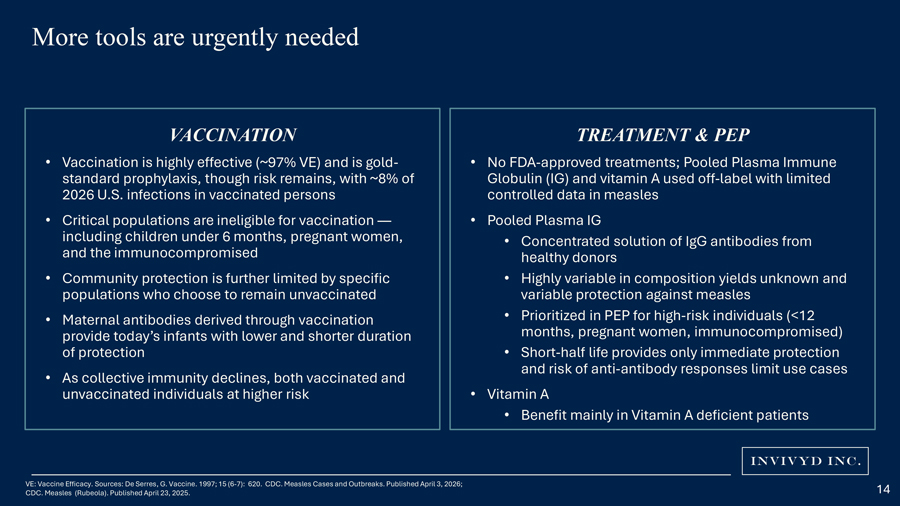
More tools are urgently needed VACCINATION TREATMENT & PEP Vaccination is highly effective (~97% VE) and is gold- No FDA-approved treatments; Pooled Plasma Immune standard prophylaxis, though risk remains, with ~8% of Globulin (IG) and vitamin A used off-label with limited 2026 U.S. infections in vaccinated persons controlled data in measles Critical populations are ineligible for vaccination — Pooled Plasma IG including children under 6 months, pregnant women, Concentrated solution of IgG antibodies from and the immunocompromised healthy donors Community protection is further limited by specific Highly variable in composition yields unknown and populations who choose to remain unvaccinated variable protection against measles Maternal antibodies derived through vaccination Prioritized in PEP for high-risk individuals (<12 provide today’s infants with lower and shorter duration months, pregnant women, immunocompromised) of protection Short-half life provides only immediate protection and risk of anti-antibody responses limit use cases As collective immunity declines, both vaccinated and unvaccinated individuals at higher risk Vitamin A Benefit mainly in Vitamin A deficient patients VE: 2025. Vaccine Efficacy. Sources: De Serres, G. Vaccine. 1997; 15 (6-7): 620. CDC. Measles Cases and Outbreaks. Published April 3, 2026; CDC. Measles (Rubeola). Published April 23, 2025.
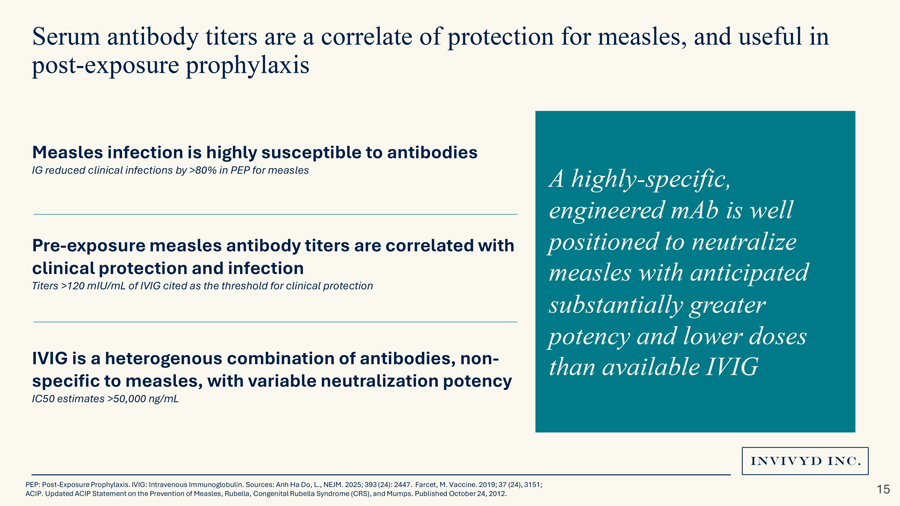
Serum antibody titers are a correlate of protection for measles, and useful in post-exposure prophylaxis Measles infection is highly susceptible to antibodies IG reduced clinical infections by >80% in PEP for measles A highly-specific, engineered mAb is well Pre-exposure measles antibody titers are correlated with positioned to neutralize clinical protection and infection measles with anticipated Titers >120 mIU/mL of IVIG cited as the threshold for clinical protection substantially greater potency and lower doses IVIG is a heterogenous combination of antibodies, non- than available IVIG specific to measles, with variable neutralization potency IC50 estimates >50,000 ng/mL PEP: Post-Exposure Prophylaxis. IVIG: Intravenous Immunoglobulin. Sources: Anh Ha Do, L., NEJM. 2025; 393 (24): 2447. Farcet, M. Vaccine. 2019; 37 (24), 3151; ACIP. Updated ACIP Statement on the Prevention of Measles, Rubella, Congenital Rubella Syndrome (CRS), and Mumps. Published October 24, 2012.
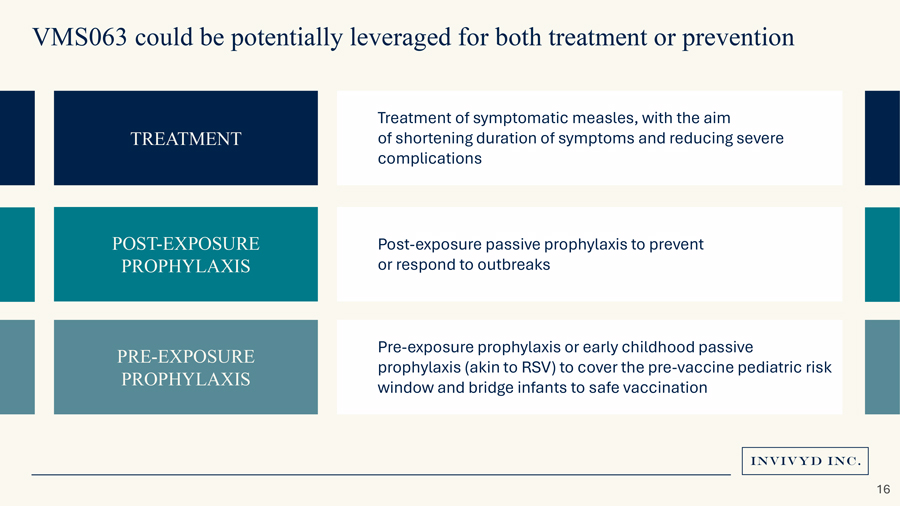
VMS063 could be potentially leveraged for both treatment or prevention Treatment of symptomatic measles, with the aim TREATMENT of shortening duration of symptoms and reducing severe complications POST-EXPOSURE Post-exposure passive prophylaxis to prevent PROPHYLAXIS or respond to outbreaks PRE-EXPOSURE Pre-exposure prophylaxis or early childhood passive prophylaxis (akin to RSV) to cover the pre-vaccine pediatric risk PROPHYLAXIS window and bridge infants to safe vaccination
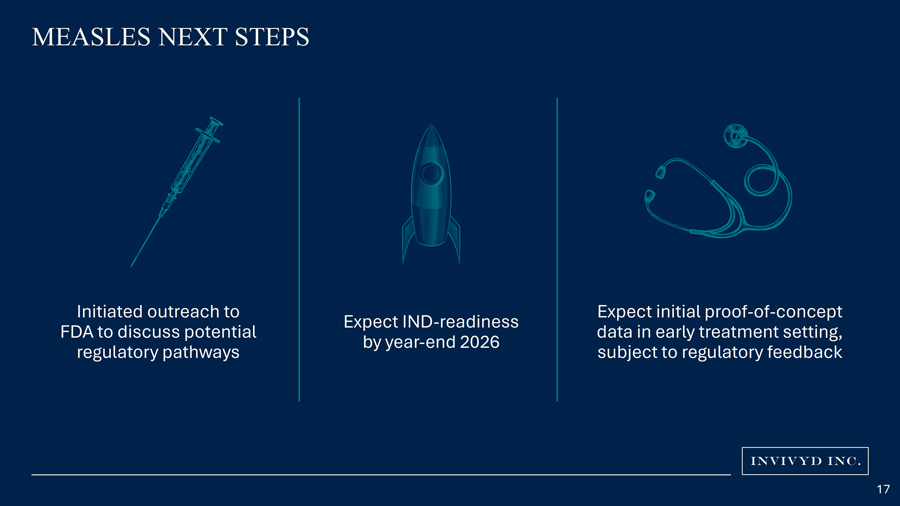
MEASLES NEXT STEPS Initiated outreach to Expect initial proof-of-concept Expect IND-readiness FDA to discuss potential data in early treatment setting, by year-end 2026 regulatory pathways subject to regulatory feedback
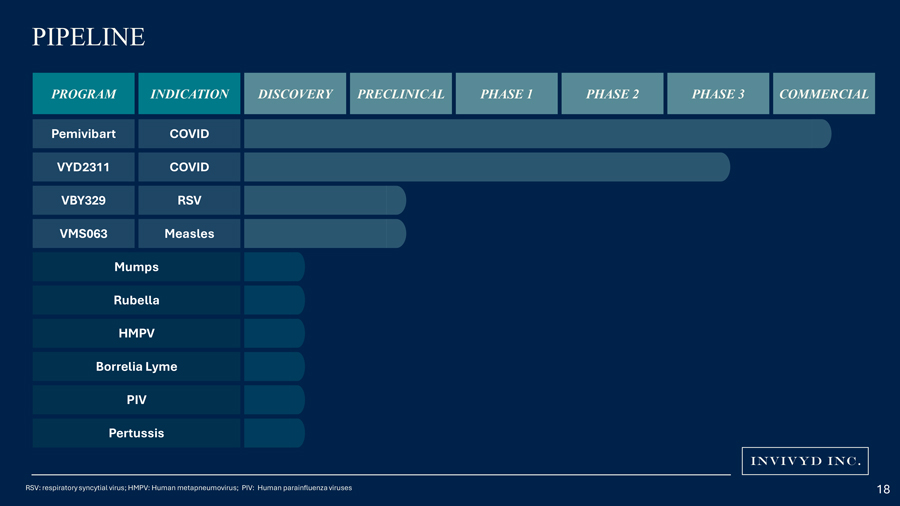
PIPELINE PROGRAM INDICATION DISCOVERY PRECLINICAL PHASE 1 PHASE 2 PHASE 3 COMMERCIAL Pemivibart COVID VYD2311 COVID VBY329 RSV VMS063 Measles Mumps Rubella HMPV Borrelia Lyme PIV Pertussis RSV: respiratory syncytial virus; HMPV: Human metapneumovirus; PIV: Human parainfluenza viruses

Q&A